Climate & Fungicide Use: Unpacking Rising Fungal Infection Risks
The silent threat of fungal infections is no longer confined to the periphery of global health discussions. As our planet undergoes rapid environmental shifts and agricultural practices intensify, a concerning trend is emerging: an increase in the prevalence, geographical spread, and drug resistance of pathogenic fungi. This escalating **fungus health risk** demands immediate attention, prompting experts to examine the intricate connections between climate change, fungicide use, and public health through a holistic "One Health" lens. Understanding these complex interactions is crucial to safeguarding human, animal, and environmental well-being.
The Interconnected Web: A One Health Perspective on Fungal Threats
At the heart of the growing challenge lies the profound interconnectedness recognized by the One Health approach. This paradigm acknowledges that the health of people, animals, and our shared environment are inextricably linked. Fungal pathogens, by their very nature, embody this principle, moving seamlessly between these domains. People can contract fungal infections through direct contact with contaminated soil or vegetation, by inhaling microscopic spores suspended in the air, or via cuts and wounds. Many fungal diseases are zoonotic, meaning they can spread between animals and humans, further complicating disease control efforts.
The way fungi interact with their surroundings – the soil, air, water, plants, and animals – directly impacts their ability to emerge, spread, and cause disease. Changes in any part of this delicate ecosystem can disrupt balances, creating new opportunities for fungi to thrive and pose a greater **fungus health risk**. For example, fungi that cause diseases like histoplasmosis can affect both people and animals, even if they don't directly spread from one to the other, highlighting a shared environmental exposure.
How Fungi Find Their Way: Understanding Transmission Pathways
Fungi employ various strategies to infect hosts. The most common route for many serious systemic fungal infections is the inhalation of spores from the environment. Fungi like those causing Valley Fever (coccidioidomycosis), histoplasmosis, and blastomycosis primarily infect the lungs after spores are breathed in. Skin infections, such as ringworm, can result from direct contact with infected individuals, animals, or contaminated surfaces. These infections can also arise when fungi enter through breaks in the skin. The zoonotic potential of some fungi, like *Sporothrix brasiliensis* (which causes sporotrichosis and can spread from cats to humans), underscores the importance of considering animal health in public health strategies. To learn more about how specific fungal diseases spread, read our detailed article:
Beyond Ringworm: Emerging Fungal Diseases & How They Spread.
Climate Change: A Catalyst for Fungal Expansion
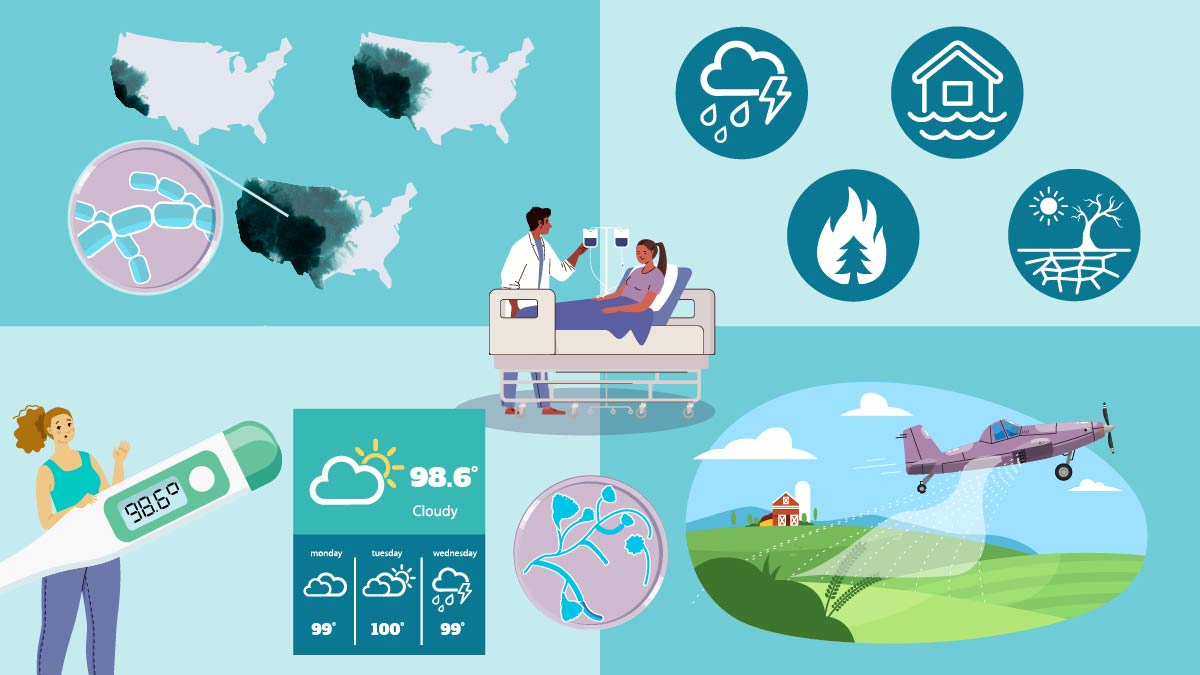
Climate change is rapidly redrawing the map of fungal habitats, turning previously inhospitable regions into fertile ground for disease-causing fungi. Rising global temperatures mean that many pathogenic fungi, which historically were limited to warmer climates, can now survive and thrive in new geographical areas. This expansion broadens the exposure risk for populations unaccustomed to specific fungal threats.
Consider the fungi responsible for blastomycosis, Valley Fever, histoplasmosis, and *Cryptococcus gattii* infection. Their endemic zones are shifting, bringing the **fungus health risk** to new communities. Beyond gradual warming, extreme weather events, which are becoming more frequent and intense due to climate change, significantly exacerbate the problem:
- Flooding: Prolonged inundation creates ideal moist conditions for mold and fungal growth in homes and buildings, leading to increased exposure for affected populations during cleanup and recovery.
- High Winds: Powerful storms and unusual wind patterns can carry fungal spores over much greater distances, disseminating pathogens far beyond their traditional boundaries and increasing the risk of respiratory infections.
- Drought and Dust Storms: Conversely, periods of drought can lead to drier soils and increased dust, which, when airborne, can carry fungal spores into the air, making inhalation more likely.
These environmental changes not only expand the reach of existing fungi but also alter ecosystem dynamics, potentially fostering the emergence of new fungal threats or increasing the virulence of known ones.
The Silent Crisis: Fungicide Use and Antifungal Resistance
Perhaps one of the most insidious contributors to the rising **fungus health risk** is the widespread use of fungicides. Fungicides are vital tools in agriculture and industry, protecting crops from devastating fungal diseases and preserving materials. However, a critical problem arises when these environmental fungicides share common mechanisms of action with antifungal medications used to treat human and animal infections.
This overlap creates a perilous pathway for antifungal resistance. When fungi in agricultural fields or industrial settings are repeatedly exposed to fungicides that are chemically similar to medical antifungals (like azoles), they can develop resistance. These resistant fungal strains can then spread through the environment, potentially infecting humans or animals. The consequence is severe: infections caused by these drug-resistant fungi become much harder, if not impossible, to treat with existing medications, leading to prolonged illness, higher mortality rates, and increased healthcare costs.
A stark example is the rise of azole-resistant *Aspergillus fumigatus*, a ubiquitous fungus that can cause life-threatening infections, particularly in immunocompromised individuals. Studies have linked the emergence of these resistant strains to the extensive use of azole fungicides in agriculture. This situation highlights a classic One Health challenge, where practices in one sector (agriculture) directly impact health outcomes in another (clinical medicine). The indiscriminate or improper use of any antifungal agent – whether in human medicine, veterinary care, or the environment – contributes to the broader antimicrobial resistance crisis, making the fight against pathogens increasingly difficult.
Protecting Yourself and Our Shared World: Actionable Insights
Addressing the escalating **fungus health risk** requires a multi-faceted approach, combining individual vigilance with broader systemic changes.
Here are some practical tips and insights:
- Stay Informed and Aware: Be aware of the fungal diseases prevalent in your region, especially as climate patterns shift. Pay attention to public health warnings regarding fungal outbreaks or increased spore counts.
- Practice Environmental Precautions: If you live in or visit areas known for endemic fungi (e.g., dusty regions for Valley Fever), or after events like floods, take protective measures. This can include wearing an N95 respirator mask when disturbing soil or entering dusty environments, and wearing gloves and long sleeves during gardening or outdoor work.
- Maintain Good Hygiene: Simple practices like thorough handwashing after outdoor activities or contact with animals can help prevent the spread of some fungal infections, particularly zoonotic ones like ringworm.
- Monitor Pet Health: Since many fungal diseases are zoonotic, keep an eye on your pets for signs of fungal infection and seek veterinary care promptly. Regular veterinary check-ups are essential, especially if your pet spends a lot of time outdoors or interacts with other animals.
- Support Responsible Fungicide Use: Advocate for policies that promote judicious and diversified fungicide use in agriculture and industry to minimize the development of antifungal resistance. Research into novel, environmentally friendly fungicides is also critical.
- Boost Immune Health: A strong immune system is your best defense. Maintain a healthy lifestyle through balanced nutrition, regular exercise, and adequate sleep. Individuals who are immunocompromised should discuss specific preventive strategies with their healthcare providers.
- Embrace the One Health Approach: Recognize that solutions require collaboration across disciplines – human medicine, veterinary medicine, environmental science, and agriculture. Supporting research and initiatives that foster this interdisciplinary cooperation is vital for effective disease prevention and control. For more on this, explore: Fungal Diseases: People, Animals, Environment - A One Health Risk.
In conclusion, the intersection of climate change and fungicide use presents a formidable and growing **fungus health risk** that we can no longer afford to overlook. From expanding geographic ranges of pathogenic fungi to the silent emergence of drug resistance, these interconnected challenges demand a proactive, collaborative, and science-driven response. By adopting a comprehensive One Health perspective, fostering interdisciplinary cooperation, and empowering individuals with practical knowledge, we can begin to mitigate these threats and protect our collective health in an ever-changing world.